What Desk Setup Looks Like on an Ordinary Day
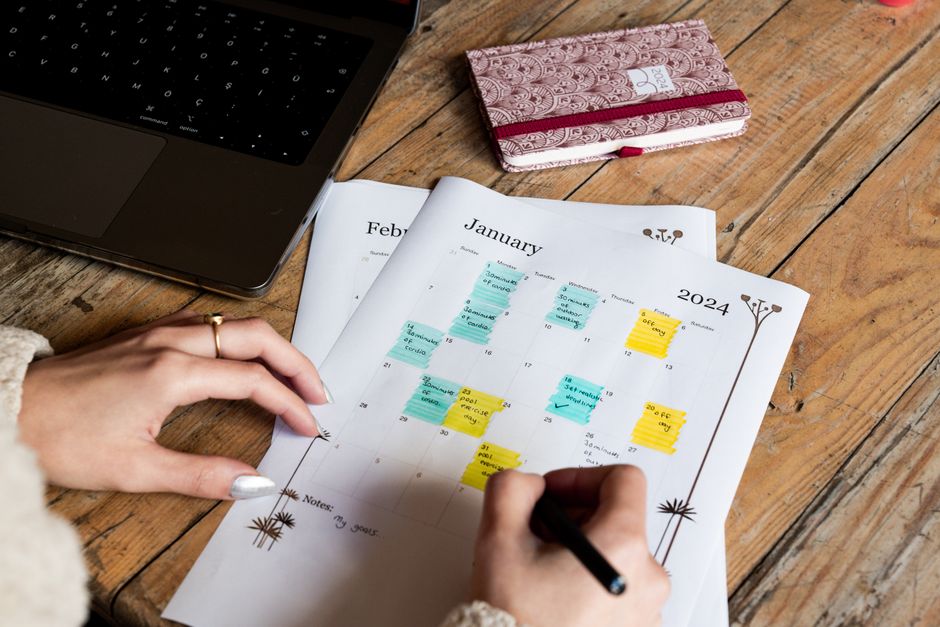
It’s early morning at the kitchen table, and the coffee mug sits beside a cluttered notebook filled with hastily scribbled notes. The remote worker glances at the calendar on their laptop screen, noting back-to-back calls scheduled for the day. Before diving into the first email, a quick review of the task list reveals a follow-up message that needs to be sent. However, the email draft window remains unopened, and the clock ticks closer to the first meeting, creating an undercurrent of urgency that often leads to overlooked details.
As the worker prepares to tackle the day, the risk of email spillover becomes apparent. With new messages flooding in, the important follow-up could easily get buried under a wave of distractions. This missed step—failing to check the calendar before opening the email—can set a chaotic tone for the day, complicating the process of presenting ideas confidently. The working document, crucial for clarity during the calls, is still pinned to the desktop but hasn't been accessed yet, leaving the worker scrambling to find their footing just moments before the first presentation.
The First Step That Gets Skipped
At the kitchen table, a coffee mug sits beside a laptop, steam rising as the remote worker prepares for the day ahead. It’s early morning, and the task list is open, filled with items that need attention before the back-to-back meetings begin. However, the first instinct is to dive straight into the email, a habit that often leads to chaos. With the email window open, the notifications start pouring in, each ping pulling focus away from the critical tasks at hand.
The worker realizes too late that they haven’t checked their calendar for the day. This oversight means that urgent follow-ups and key points for the presentations are now buried beneath a flood of new messages. As they sift through the inbox, the important email draft remains untouched, and the working document, which should be pinned for quick access, is still minimized. The result is a scramble to find the right information just moments before the first meeting, creating a frantic atmosphere that undermines confidence. A simple adjustment—checking the calendar before opening email—could have set a more organized tone for the day.
What Gets Overlooked in Morning Preparation
This same friction shows up again in Balancing Work And Life, especially when the day tightens unexpectedly.
In the early morning light, the remote worker sits at their kitchen table, coffee mug in hand, scanning the task list for the day. The calendar indicates back-to-back meetings, yet the instinct is to dive into the email draft instead. This choice often leads to a chaotic start, as notifications flood in, pulling attention away from the critical tasks that need focus. The working document, which should be pinned for quick access, remains minimized, causing a delay in retrieving vital information.
As the clock ticks closer to the first call, the worker realizes they have neglected to draft an outline for their presentation. This oversight creates a last-minute scramble to organize thoughts, leading to a panicked search through the email draft and notes. The time spent sifting through emails to find relevant points takes away from the preparation needed for a confident presentation. By the time the meeting begins, the worker feels unprepared, undermining their ability to present ideas clearly.
A simple adjustment—checking the calendar and pinning the most relevant working document before opening email—could have streamlined the morning routine. This small change not only saves time but also ensures that the worker enters each meeting with a clear agenda, setting a more organized tone for the day.
A Better Order for the Same Five Minutes
A slightly different version of this problem appears in Writing Clearly At Work, where the sequence changes but the hidden drag feels familiar.
Before diving into the day’s tasks, a quick glance at the calendar can set the tone for a more organized morning. Instead of immediately opening the email draft, which often leads to distractions from new messages, take a moment to align your tasks with the scheduled meetings. This simple check allows you to prioritize what needs to be addressed first, ensuring that you approach your presentations with clarity.
Next, pin the working document related to your presentation at the top of your screen. This small adjustment makes it readily accessible, eliminating the need to search through multiple tabs or windows later. By having the document open first, you can jot down key points or outlines while reviewing your agenda. If you skip this step, you might find yourself scrambling to locate the document amidst a flurry of incoming emails, which can bury important follow-ups under a pile of new correspondence. This revised order—calendar check followed by pinning the working document—creates a smoother start, allowing you to enter your meetings with confidence and a clear focus.
What Changes Once the Sequence is Cleaner
After implementing a more organized morning routine, the remote worker feels a notable shift in their readiness for back-to-back meetings. Instead of diving straight into the email draft window, they first check their calendar, which reveals the topics and key points for the day’s presentations. This simple act of reviewing the agenda allows them to mentally align their thoughts before the chaos of incoming messages begins.
With the calendar checked, they pin the working document related to their presentation at the top of their screen. This adjustment means that when they open their email, they don’t get lost in a sea of new messages that can easily bury essential follow-ups. Instead, they can quickly refer back to their document, jotting down notes or reminders as they navigate through their inbox. The difference is palpable: less clutter means less stress, allowing them to approach each meeting with a clearer mind.
As the morning progresses, the remote worker finds that follow-ups from previous meetings are easier to manage. With a pinned document, they can track what needs to be addressed without the distraction of scrolling through countless emails. This organized approach not only enhances their confidence during presentations but also streamlines their workflow, making them feel less rushed and more in control. The result is a smoother, more effective meeting day, where ideas are presented confidently and clearly, rather than rushed and muddled.
As the remote worker settles into their morning routine, the importance of a structured approach becomes clear. With a coffee mug in hand and a notebook open, they take a moment to glance at their calendar before diving into their email. This simple act of checking their schedule first helps them prioritize tasks and prevents essential follow-ups from getting lost in the flood of new messages. Without this check, they risk opening their email draft window only to find their focus scattered among irrelevant notifications.
By pinning the working document at the top of their screen, they create a visual anchor for the day’s objectives. This small adjustment allows them to stay on track and manage their time effectively, ensuring that they can present their ideas confidently. The next time they sit down to work, they should remember to check their calendar before opening their email. This simple routine can make all the difference in navigating a busy meeting day with clarity and purpose.