A More Useful Way to Approach Remote Work
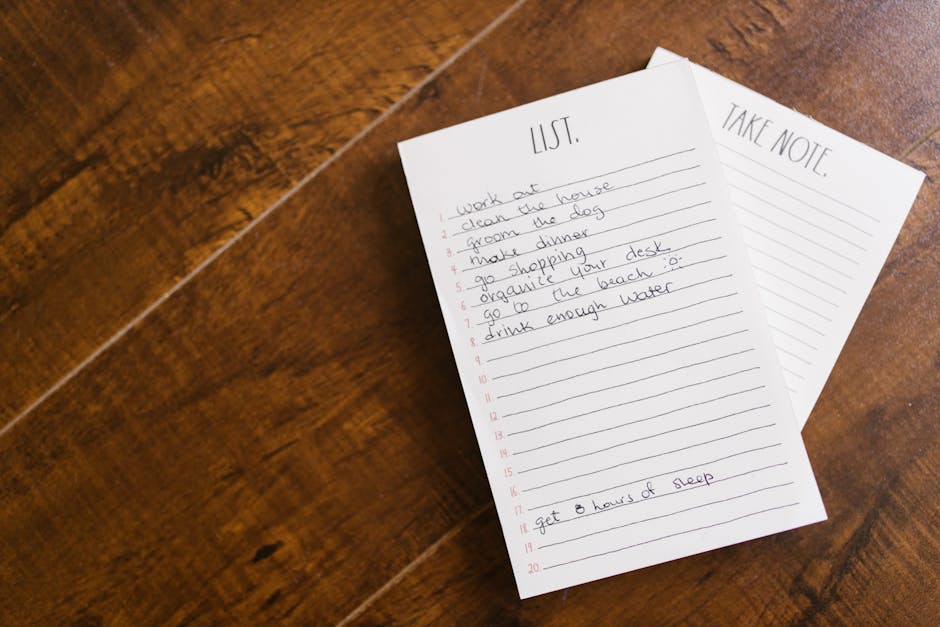
It’s early morning at the kitchen table, and the coffee mug sits beside a notebook filled with yesterday’s meeting notes. The task list is already open on the laptop screen, but the agenda line is missing from the notes. This small oversight can lead to a cascade of confusion later in the day, especially when it’s time to present ideas confidently during the team meeting. As the clock ticks closer to the start time, the pressure builds to deliver a clear message, yet the absence of organized thoughts can derail even the best intentions.
Before diving into the first work block, a quick review of the notes reveals a gap that could hinder effective communication. The working document, which should be pinned for easy access, remains buried in the clutter of tabs. This missed check means that when it’s time to present, the necessary information might open too late, leaving little room for adjustments. The friction between wanting to convey ideas confidently and the reality of disorganized materials creates a challenging environment, where clarity can easily slip away amidst the distractions of remote work.
The Morning Routine That Sets the Tone
At the kitchen table, the aroma of freshly brewed coffee fills the air, mingling with the soft rustle of a task list sprawled out next to a well-worn notebook. It’s early morning, a few minutes before the first work block begins, and the team member flips through their meeting notes, searching for clarity before distractions set in. The agenda line is conspicuously missing, a small but critical oversight that could lead to confusion later in the day.
Before diving into the day’s tasks, a quick check reveals the need to send follow-ups to teammates. The working document, which should have been pinned for easy access, is still buried among an array of open tabs. This disorganization could mean that when it’s time to present ideas confidently, the essential information might open too late, leaving little room for adjustments. To counter this, the team member makes a mental note to pin the document first next time, ensuring that the path to effective communication is clear from the outset.
When the First Task Goes Awry
As the team member settles at their kitchen table, the laptop screen glows to life, revealing a flurry of notifications. The intention was to draft a follow-up email to clarify the missing agenda line from yesterday’s meeting notes. However, the barrage of pings from messaging apps quickly pulls focus away. Each notification feels pressing, and before long, the email draft remains untouched. This shift in attention sets the stage for a frustrating day ahead.
With the agenda line absent from the notes, the team member realizes that the lack of preparation could lead to confusion during the next team meeting. The working document, which should have been pinned for easy access, is hidden among multiple open tabs. This oversight means that when it’s time to present ideas confidently, vital information might still be buried, creating unnecessary friction. The immediate consequence is clear: without that critical agenda line, the team’s workflow could derail, leading to miscommunication and wasted time.
To mitigate this, the team member decides that the first task each morning should include a quick check of the working document. By pinning it to the browser and reviewing it before distractions arise, they can ensure that essential information is readily available. This small adjustment not only streamlines the workflow but also sets a more confident tone for the day ahead, allowing for smoother transitions between tasks.
Understanding the Root of the Friction
A slightly different version of this problem appears in Balancing Work And Life, where the sequence changes but the hidden drag feels familiar.
At the kitchen table, the early morning light spills over a cluttered notebook and a half-empty coffee mug. The task list for the day sits open, yet the pressure of incoming emails and team communications already looms large. Each ping from the phone pulls attention away from the planned workflow, making it easy to lose sight of what needs to be prioritized. The intention to prepare for the presentation gets swallowed by the reactive demands of the day.
As the team member scans the email inbox, they notice a flurry of messages marked urgent. One email even contains a request that could alter the agenda for the upcoming meeting, but the critical detail—the agenda line from the working document—is buried under layers of distractions. This hidden step, the simple act of reviewing the working document before diving into emails, is often overlooked. Good intentions to present ideas confidently can quickly dissolve when the necessary information isn't at hand.
To counter this, a small adjustment is made: the team member decides to pin the working document to the browser before the day begins. This way, it’s the first thing they see when they sit down. By implementing this tiny routine change, they ensure that essential information is easily accessible, allowing for a smoother transition into the day's tasks. However, the tradeoff is clear: it requires resisting the urge to check emails first, which can feel counterintuitive in a fast-paced work environment. This friction, rooted in the struggle between planned tasks and reactive work, highlights how easily confidence can wane when the right information isn’t prioritized. A Simple Adjustment to Regain Control Before diving into the day's tasks, the team member sits at their kitchen table, coffee mug in hand, reviewing the meeting notes from the previous day. The notes are scattered across the table, but the agenda line is noticeably absent, a missed detail that could lead to confusion during follow-ups. To address this, they decide to pin the working document to the top of their laptop screen, ensuring it’s the first thing they see when they sit down to work.
- Pin the working document in your browser to keep essential information visible at all times.
- Set a dedicated 30-minute block in the morning for follow-ups, preventing reactive tasks from derailing your focus.
- Before opening email, quickly check the pinned document to remind yourself of key points and action items.
This simple setup allows for a smoother transition into the day’s work, as the team member can easily reference the working document during meetings. However, the challenge remains: resisting the temptation to check emails first can feel difficult, especially with the constant influx of notifications. Yet, by prioritizing the working document, they regain control over their workflow, making it easier to present ideas confidently when the time comes.
How Small Changes Impact the Rest of the Day
If this pattern keeps repeating, Writing Clearly At Work extends the idea without leaving the niche.
At the kitchen table, the coffee mug sits beside a neatly arranged notebook, where yesterday’s meeting notes linger. The agenda line is notably absent, a small but telling detail that highlights the friction in transitioning from one task to another. With the working document pinned to the browser, that gap can be bridged. It’s the first thing visible when the laptop opens, ensuring that key points are always at hand.
When the day begins with a quick review of the pinned document, the persona can easily reference it during meetings. This small adjustment transforms the workflow, creating a structured environment that minimizes distractions. Instead of diving straight into email drafts, which can lead to reactive thinking, a focused 30-minute block is dedicated to follow-ups. During this time, the persona can check off items on the task list, ensuring nothing slips through the cracks.
The benefit is straightforward: with the working document accessible, the persona feels more prepared and confident when presenting ideas. Each meeting flows more smoothly, as the notes provide a clear roadmap. However, the temptation to check emails first still looms, often leading to a chaotic start. By resisting this urge and sticking to the plan, the persona can maintain a sense of control, setting a productive tone for the rest of the day.
Before diving into the day’s tasks, taking a moment to ensure the meeting notes are open can significantly impact how confidently ideas are presented. If the notes page is missing key agenda lines, it can lead to confusion during discussions, making it harder to convey thoughts clearly. This simple act of checking the notes allows for a smoother transition from one task to another, reducing the likelihood of losing track of essential follow-ups.
As the persona settles into their workspace, a quick glance at the pinned working document serves as a reminder of what needs addressing. This proactive approach not only keeps follow-ups from disappearing but also sets the stage for more confident communication. The next move? Make it a habit to open that document first thing each morning, ensuring that the groundwork for presenting ideas is laid out clearly and effectively.